Viaje a la luna
June 12–October 11, 2025
Group Exhibition
Curated by Diego Villalobos and Rodrigo Ortiz Monasterio
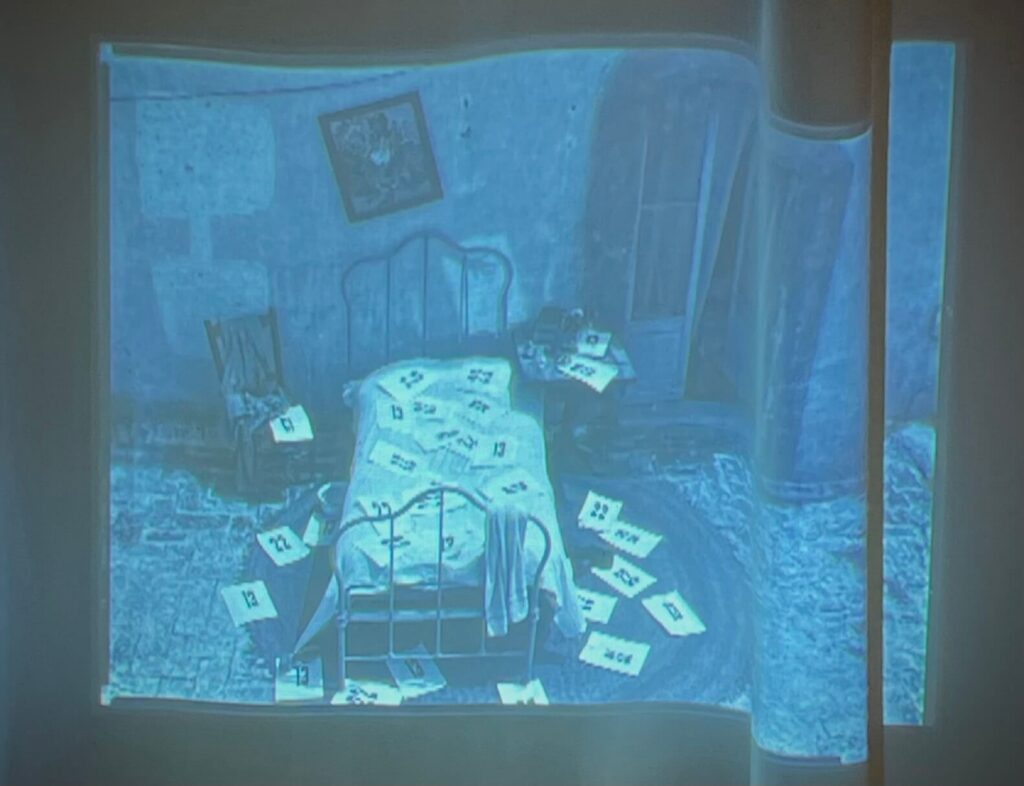
Image: Lola Álvarez Bravo, Viaje a la luna, 1931. CCA Wattis Institute for Contemporary Arts, San Francisco.
CCA Wattis Institute for Contemporary Arts
145 Hooper Street, Level 2
San Francisco, CA 94107
+1-415-355-9670
CCA Wattis Institute Website
CCA Wattis Institute Instagram
CCA Wattis Institute for Contemporary Arts Hours
| Monday | Closed |
|---|---|
| Tuesday | Closed |
| Wednesday | 12:00 pm – 6:00 pm |
| Thursday | 12:00 pm – 6:00 pm |
| Friday | 12:00 pm – 6:00 pm |
| Saturday | 12:00 pm – 6:00 pm |
| Sunday | Closed |
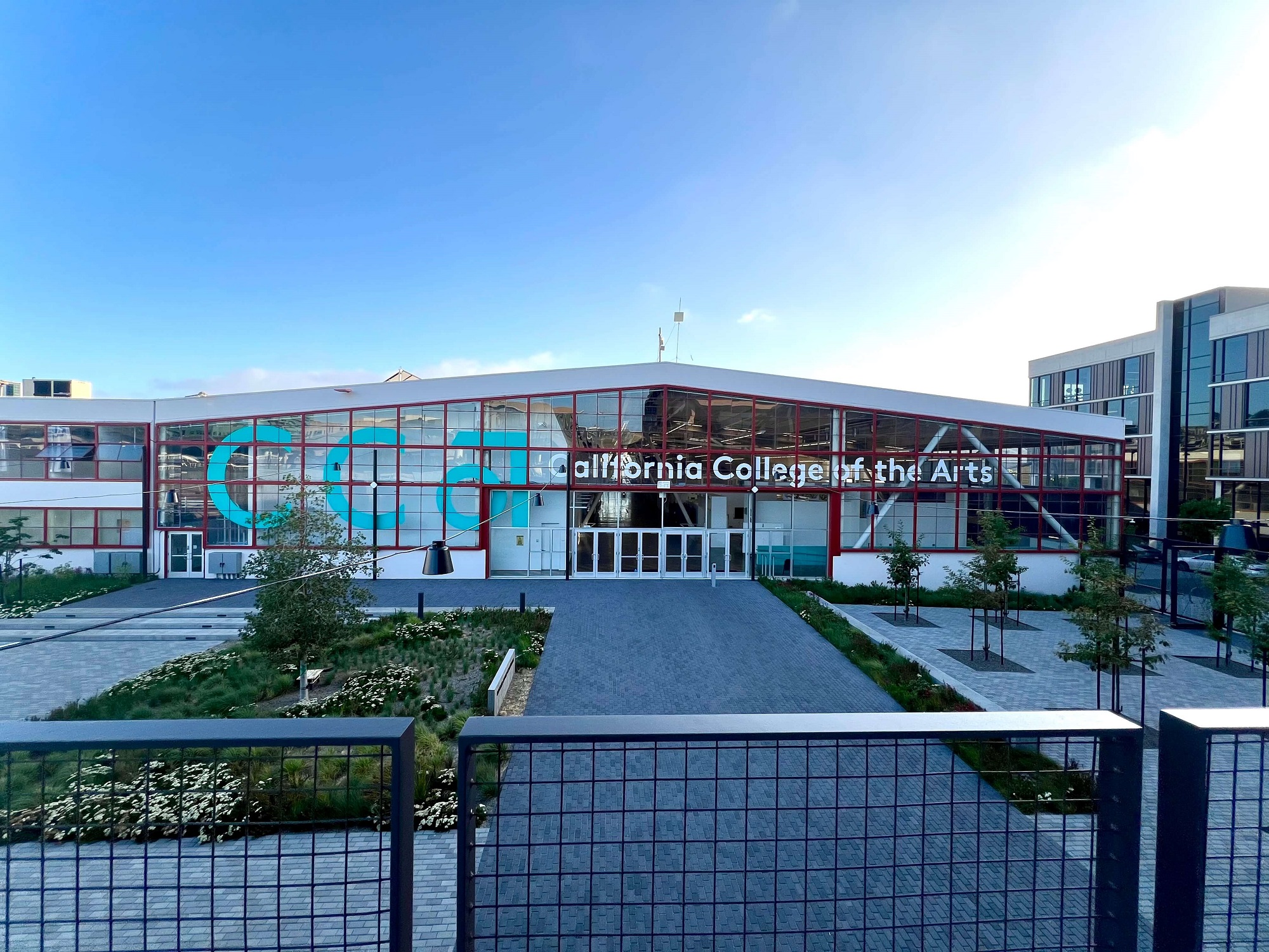
Overview
Today’s LOVE LETTER TO ART features Viaje a la luna (Journey to the Moon) at the CCA Wattis Institute for Contemporary Arts—an exhibition curated by Diego Villalobos and Rodrigo Ortiz Monasterio that pays homage to Spain’s national treasure, queer surrealist poet, and cultural icon Federico García Lorca.

The show takes its title from Lorca’s only film script—begun in 1929 but left unfinished after his assassination by Spanish Nationalists in 1936—and connects it to an extraordinary roster of artists, including Emilio Amero, Lola Álvarez Bravo, Manuel Álvarez Bravo, Diane Arbus, Nina Canell, Marc Camille Chaimowicz, Ajit Chauhan, Lorca himself, Rosalind Nashashibi, Francesco Pedraglio, Tania Pérez Córdova, Álvaro Urbano, and Danh Vo. Together, their works expand Lorca’s cinematic vision into a broader dialogue about modernism, surrealism, and the power of his legacy.
Preview of Viaje a la luna. CCA Wattis Institute for Contemporary Arts, San Francisco.
The exhibition begins with Viaje a la luna, a 1929 script by the Spanish poet, playwright, and artist Federico García Lorca, meant to be filmed by Mexican artist Emilio Amero.
The project began in Mexico City but was abandoned after Lorca’s tragic assassination in 1936.
Only his script and a few on-set photos by Lola Álvarez Bravo remain.
Over time, the film faded into obscurity—an unrealized dream.
The exhibition reimagines what this lost film might have been.
Viaje a la luna explores how Lorca—silenced for both his voice and his sexuality under fascism—continues to resonate in today’s world of upheaval and transformation.
The exhibition honors Lorca’s legacy while inviting speculation on an unfinished work.
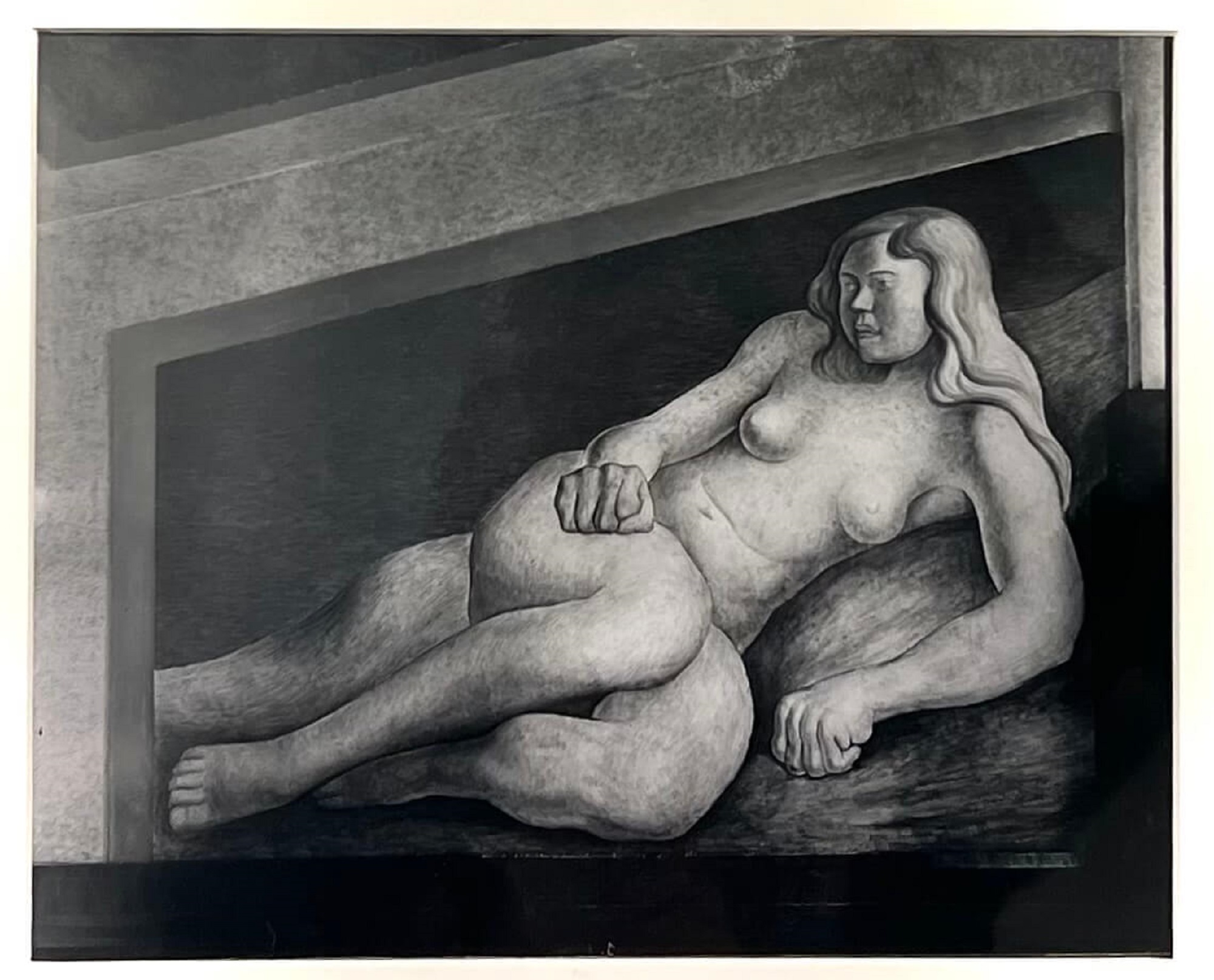
Prior to this show, I had never heard of Lorca, which I suspect is the common reaction for most Americans—even for someone like myself with a decent mishmash of historical knowledge. With Viaje a la luna, the Wattis is educator as much as presenter, introducing Lorca not just as an artist but as a cultural force as well.
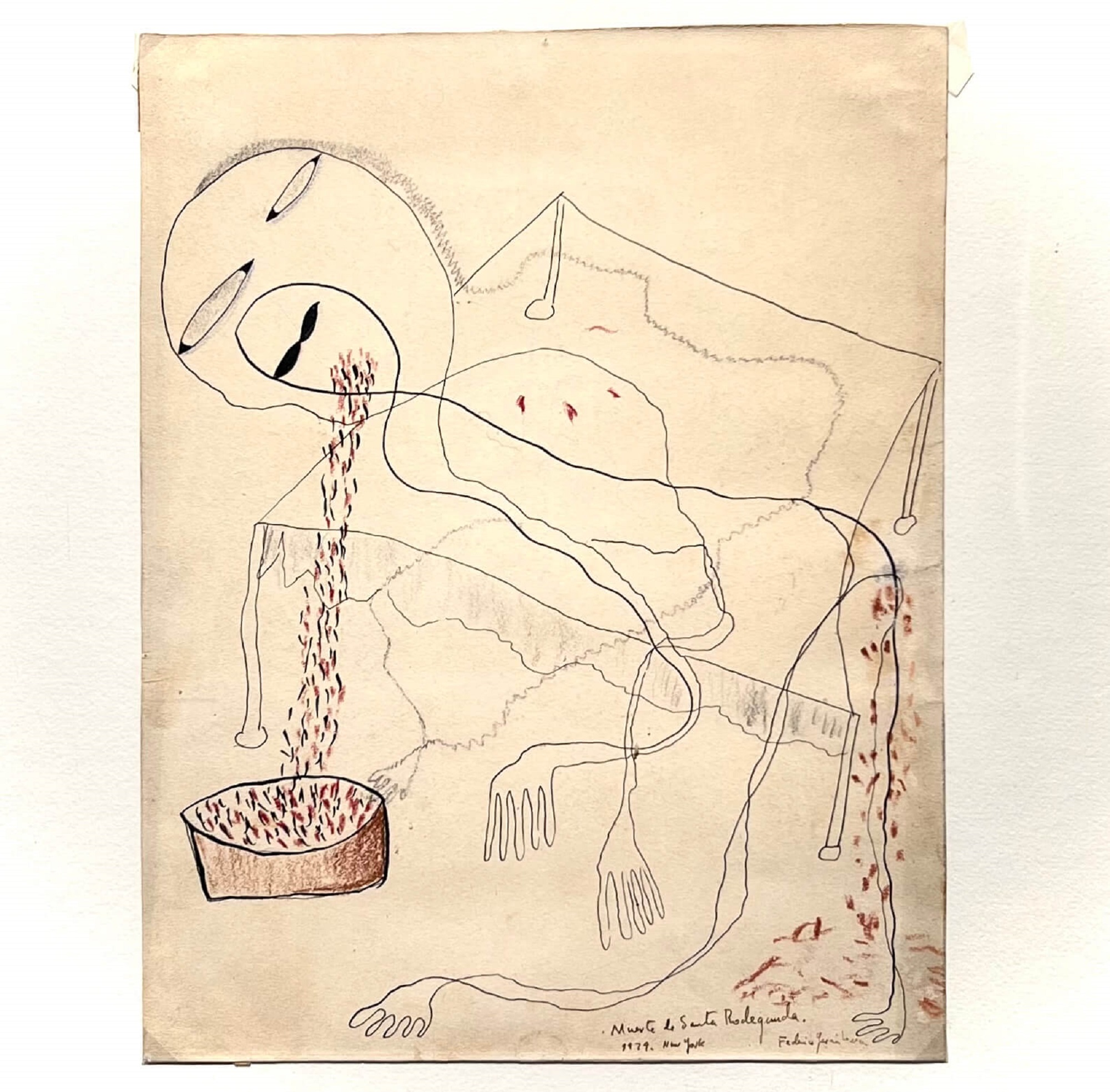
La muerte no es el final. La muerte es un espejo en el que se refleja la vida. // Death is not the end. Death is a mirror in which life is reflected.
— Federico García Lorca
As I researched Lorca, I realized there is no one in American literature as passionately regarded as Lorca is in Spain. There, students typically learn about him in high school, where his story is part of the basic curriculum. Yes, we have poets like Walt Whitman—I remember there was a lot of eye rolling when I first read Walden in ninth grade, when all I could think about was going to nightclubs and boys. I finally get it thirty years later, in my middle age, when even a reformed party-girl like myself sometimes craves a hike in the woods. Then came Allen Ginsberg in tenth grade, who felt so cool, so raw, so Beat-Gen San Francisco. But none of these artists were martyrs in the sense that Lorca is.
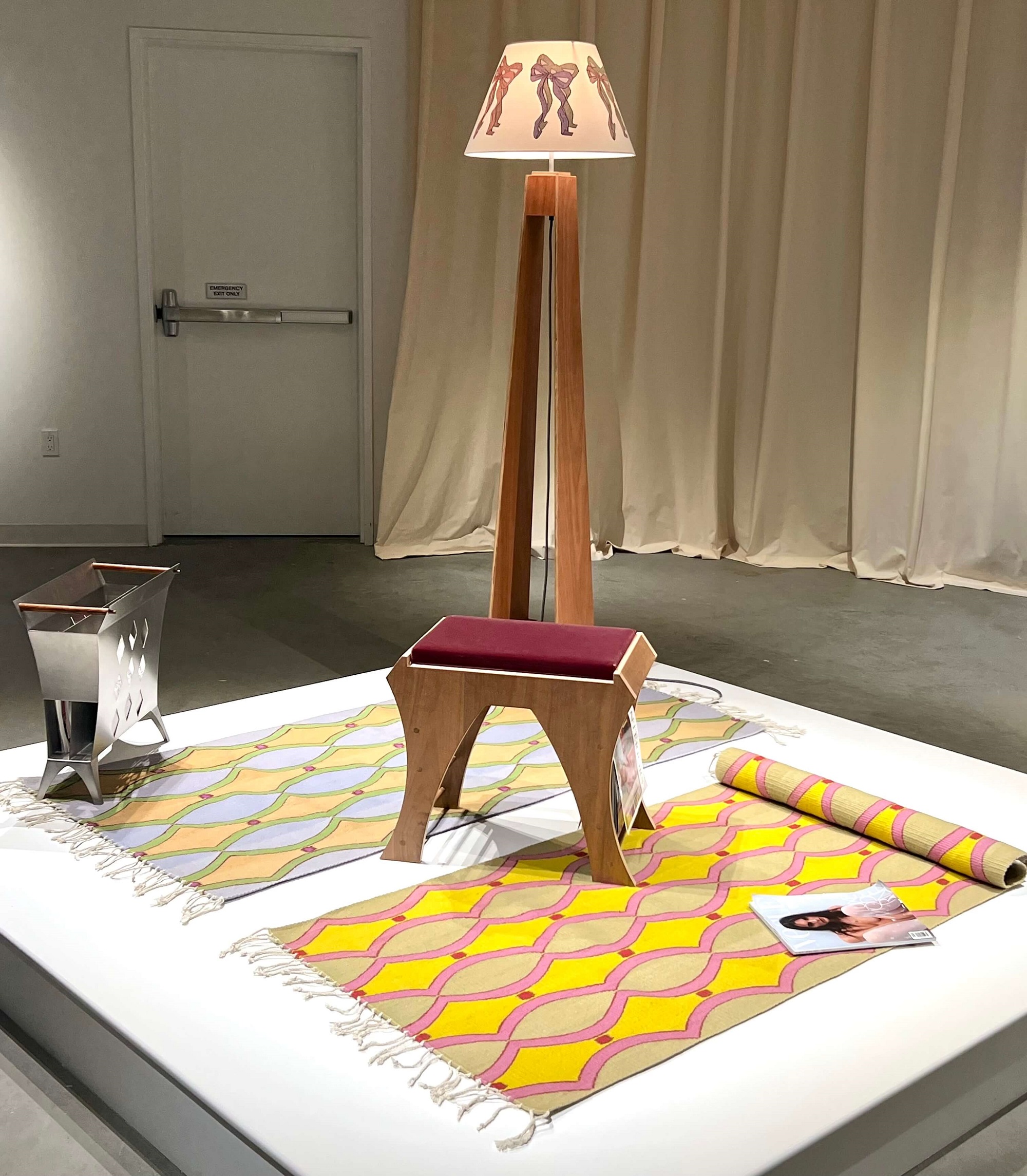
Viaje a la luna is a surrealist perfection of a show, with a beautiful, haunting bite. If you believe in ghosts, imagine Lorca perched in steady observation on Marc Camille Chaimowicz’s piano stool at the rear of the Novak Gallery.
In 1931, Federico García Lorca collaborated with the celebrated flamenco singer La Argentinita (Encarnación López Júlvez) to record Canciones populares antiguas (Old Folk Songs)—a set of ten traditional Spanish pieces that Lorca collected, arranged, and accompanied on piano.
🎧 As a tribute to both the artist and this exhibition, I created the YouTube playlist “Lorca por Vida,” which brings together the songs from Canciones populares antiguas and their reinterpretations by musicians from the 20th and 21st centuries. [Listen on YouTube here.]
FEATURED PLAYLIST: Lorca por Vida
- Zorongo gitano by Amaia y Silvia Pérez Cruz
- Las tres hojas by Dominika Doniga and Adam Marec
- Los pelegrinitos by Raphael
- Anda, jaleo by Marisol
- Nana de Sevilla by Cantos del Aire
- El café de Chinitas by Brigitte Fournier and George Vassilev
- Sevillanas del siglo XVIII by Fatma Said and Rafael Aguirre
- Tres morillas by Mor Karbasi and Orel Oshrat
- Los mozos de Monleón by Sofía Mara and Álvaro Córdoba
- Los cuatro muleros by Estrella Morente
🗓 Viaje a la luna runs until October 11, 2025 at CCA Wattis Institute for Contemporary Arts in San Francisco’s Design District.
✨The exhibition will travel to the Centro Federico García Lorca on October 30, 2025.
💌 Did you see the show(s) or try any of our recommendations? What did you think? Let us know in the comments (in the Reviews section located on the second tab at the top of the page).
QUICK GUIDE: CCA WATTIS INSTITUTE FOR CONTEMPORARY ARTS
⭐ LOCATION: CCA Wattis Institute for Contemporary Arts is located in San Francisco at 145 Hooper Street, Level 2 (between 7th and 8th).
⭐ HOURS: The gallery is open Wednesday–Saturday from 12:00 p.m.–6:00 p.m. *Please get a visitor’s pass from the security office at CCA’s main gate.
- Cult Aimee Friberg | ON VIEW: JASKO BEGOVIC: Refugees R Us (featured in SFMOMA’s Get in the Game: Sports, Art, Culture) is a solo exhibition by Bosnian-born, San Francisco–based artist Jasko Begovic (Sko Habibi) that transforms the gallery into a collaborative space where art, fashion, and performance intersect to explore identity, belonging, and resilience through works made from found fabrics and objects sourced from countries affected by war. Runs Sept. 12–Oct. 24, 2025 UPCOMING: Mary Fernando Conrad: Impermanence from Nov.1–Dec. 13, 2025 | 6 min walk // 1 min drive
- Catharine Clark Gallery | ON VIEW: EXiT Spotlight: Josephine Taylor’s “Night House” Redux revisits Taylor’s indigo-dyed portraits of domestic life at night—haunting, intimate compositions that explore how melancholy, light, and darkness transform both perception and emotion within the quiet rhythms of family life. Runs Sept. 1–Oct. 31, 2025. Kyle Coniglio: Cruel Summer is an ONLINE EXHIBITION by New York–based artist Kyle Coniglio that blends art history, queer camp, and psychological intimacy, featuring paintings and drawings of languid male figures whose vulnerability, sensuality, and emotional heat evoke both tenderness and tension beneath the surface. Runs Aug. 30–Oct. 31, 2025 | 11 min. walk // 2 min drive
A LOVE LETTER TO ART RECOMMENDS
💌 More nearby suggestions are always welcome. Feel free to add in the comments!
NEARYBY ART

RELATED VIDEOS
Preciosa y el Aire, by Federico García Lorca
The Spirit of Lorca (1986) by Ian Gibson and Mike Dibb
Euronews Segment on the Search for Lorca’s Remains, November 19, 2014.
Clip from The Nightingale and the Night: Chavela Vargas Sings to Lorca (El ruiseñor y la noche: Chavela Vargas canta a Lorca) by Rubén Rojo Aura (2015)

Trailer for Little Ashes by Paul Morrison (2008)

Leonard Cohen Performing “Take This Waltz” (2008), Inspired by Federico García Lorca’s Poem “Pequeño vals vienés” (“Little Viennese Waltz”).
RELATED READING


Author: ALoveLettertoArt